Event Recap
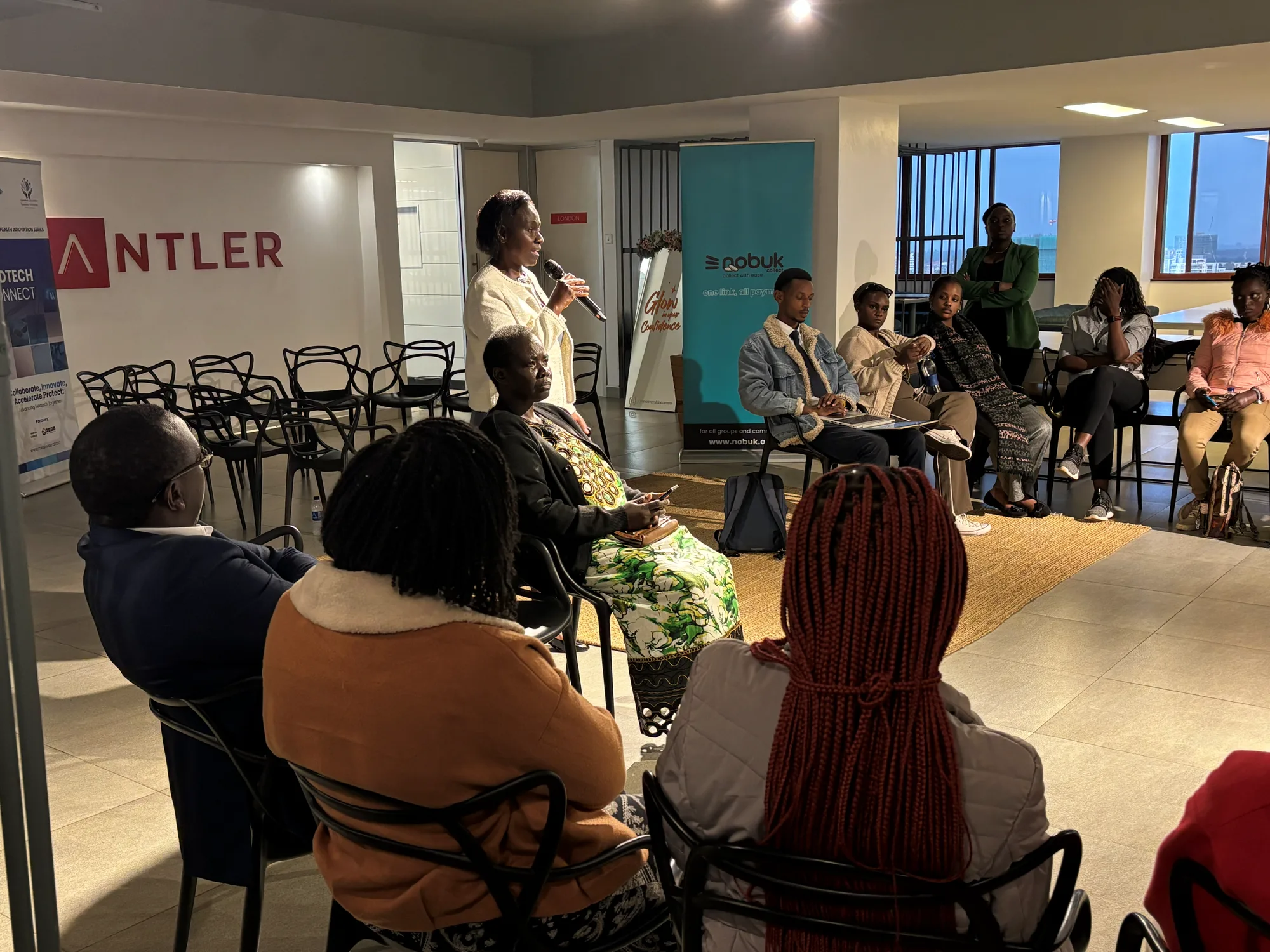
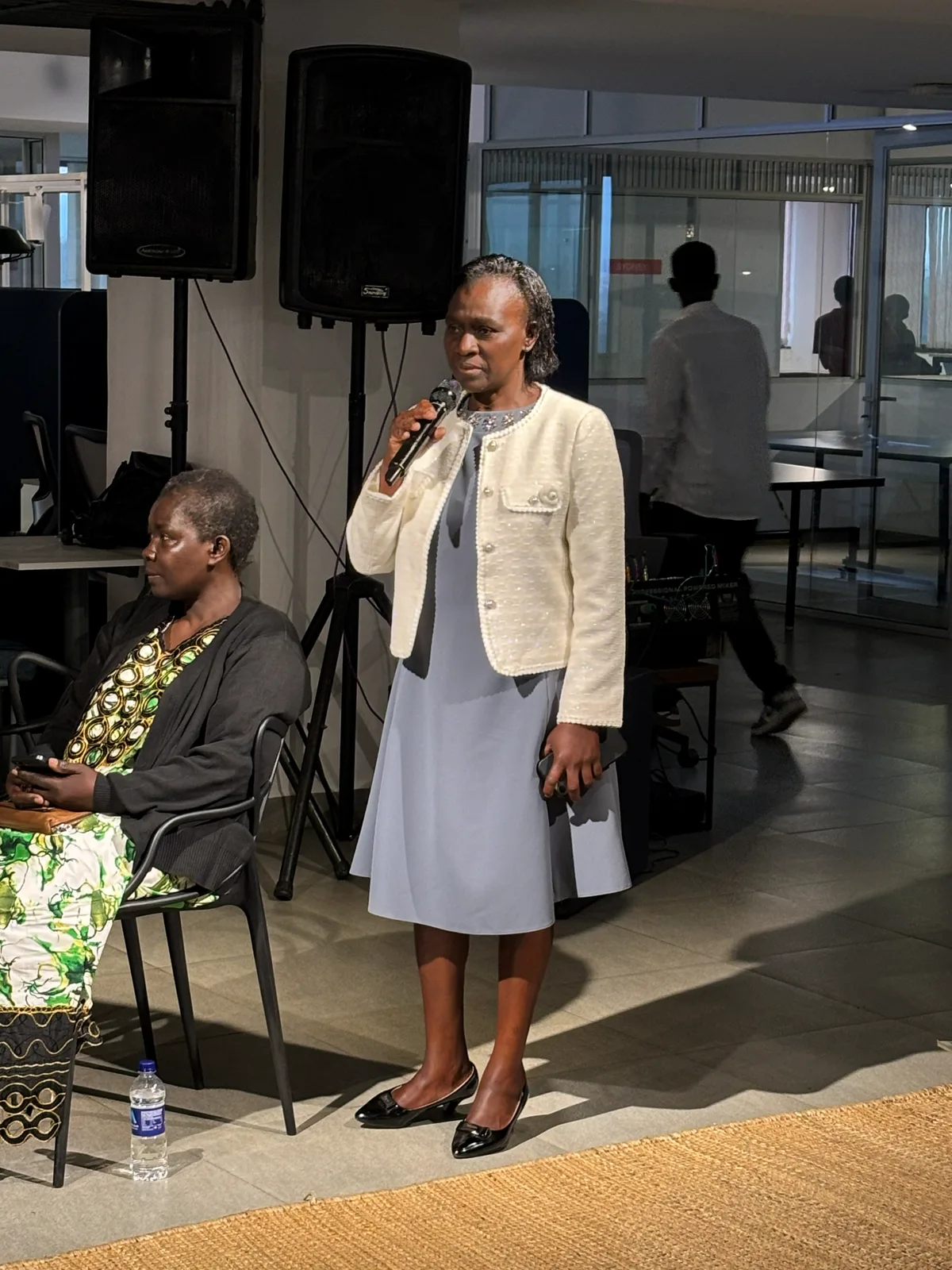
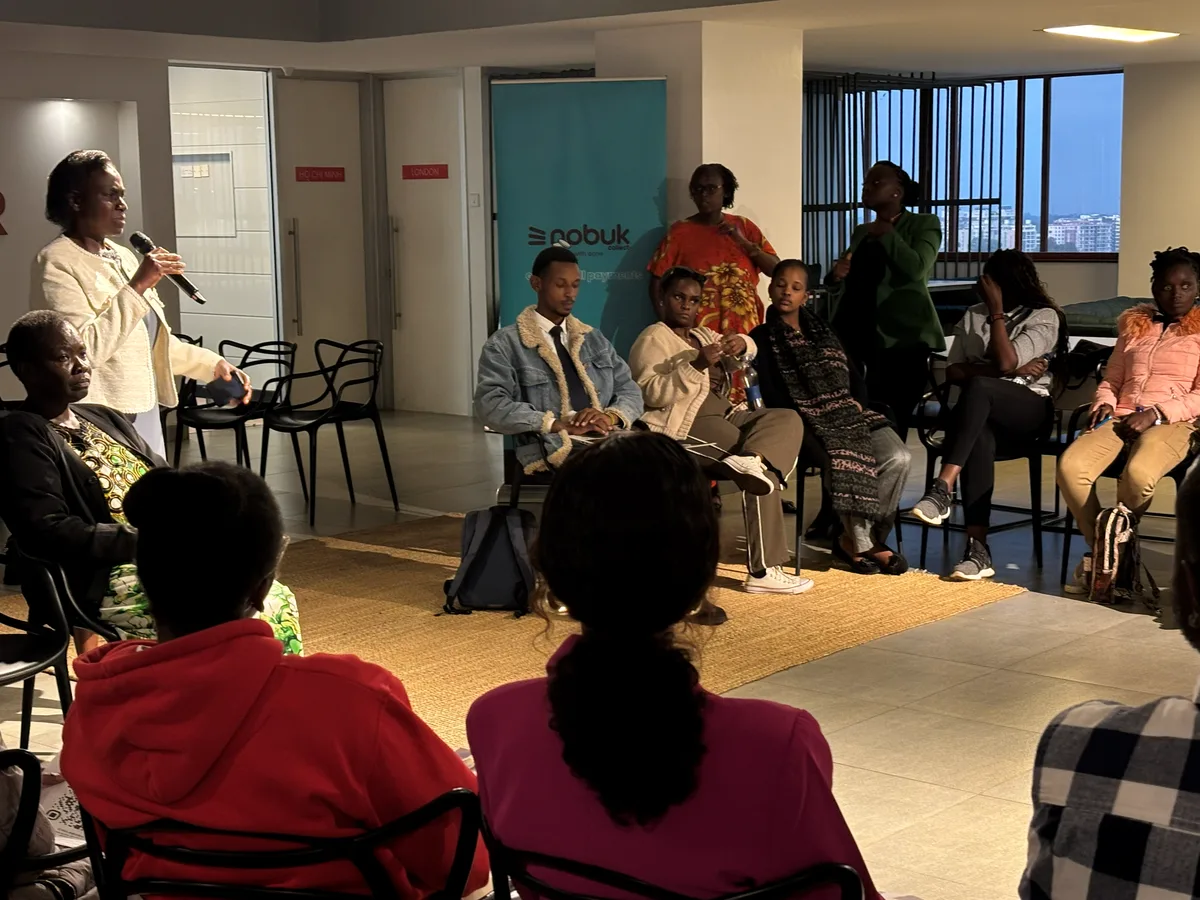
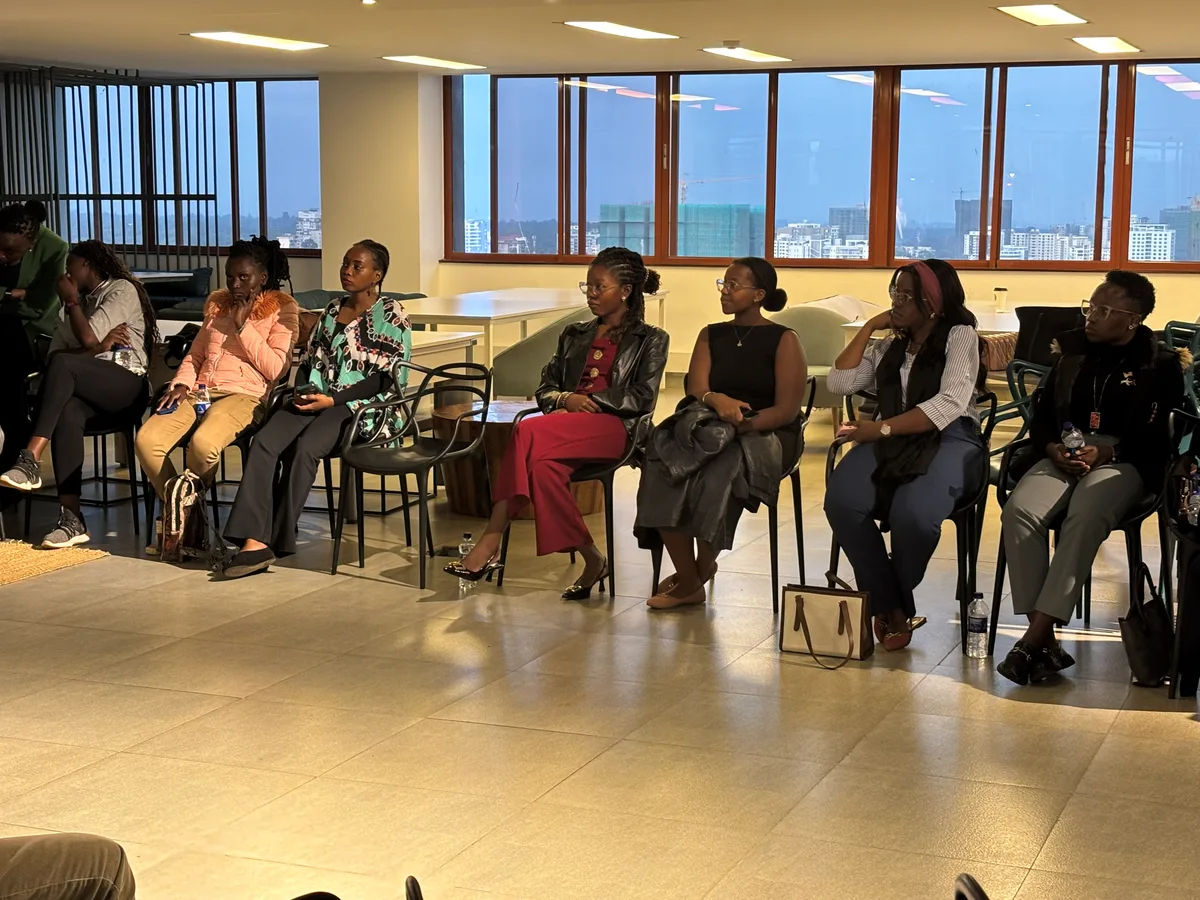
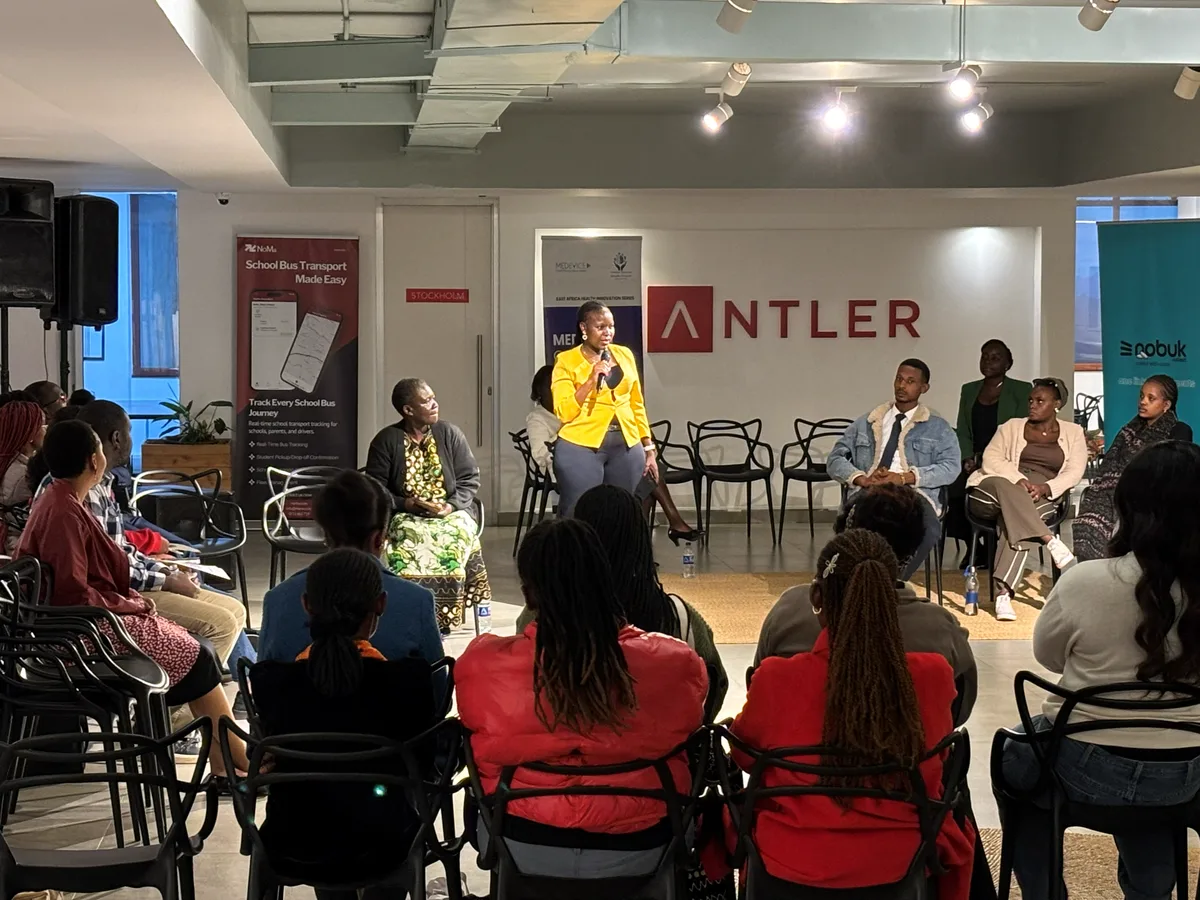
On 19 August 2026, MEDevice Africa, in partnership with Invention Education-Kenyatta University, hosted the latest edition of the MedTech Connect Series, Women in STEM Transforming Healthcare, at Antler in Nairobi.
The event brought together professionals and participants from STEM, engineering, healthcare and innovation for an evening centred on the experiences of women working in these fields and the different ways their work contributes to healthcare.
Rather than positioning the conversation around achievements alone, the event created room for participants to hear the stories behind different career journeys, including the decisions, challenges, opportunities and experiences that have shaped the speakers’ work.
Bringing Different Stories into the Room
In preparation for the event, the MEDevice Africa team reached out to 13 potential storytellers through existing professional networks. Four ultimately confirmed their participation: Dr. Kadryn Kadasia, Eng. Mary Ngugi, Eng. Elizabeth Mutio and Eng. Sellah Aseso.
The event received 105 registrations, with 33 participants attending in person. Participants were reached through LinkedIn and Eventbrite advertising, the WiBEK network and direct outreach through professional networks.
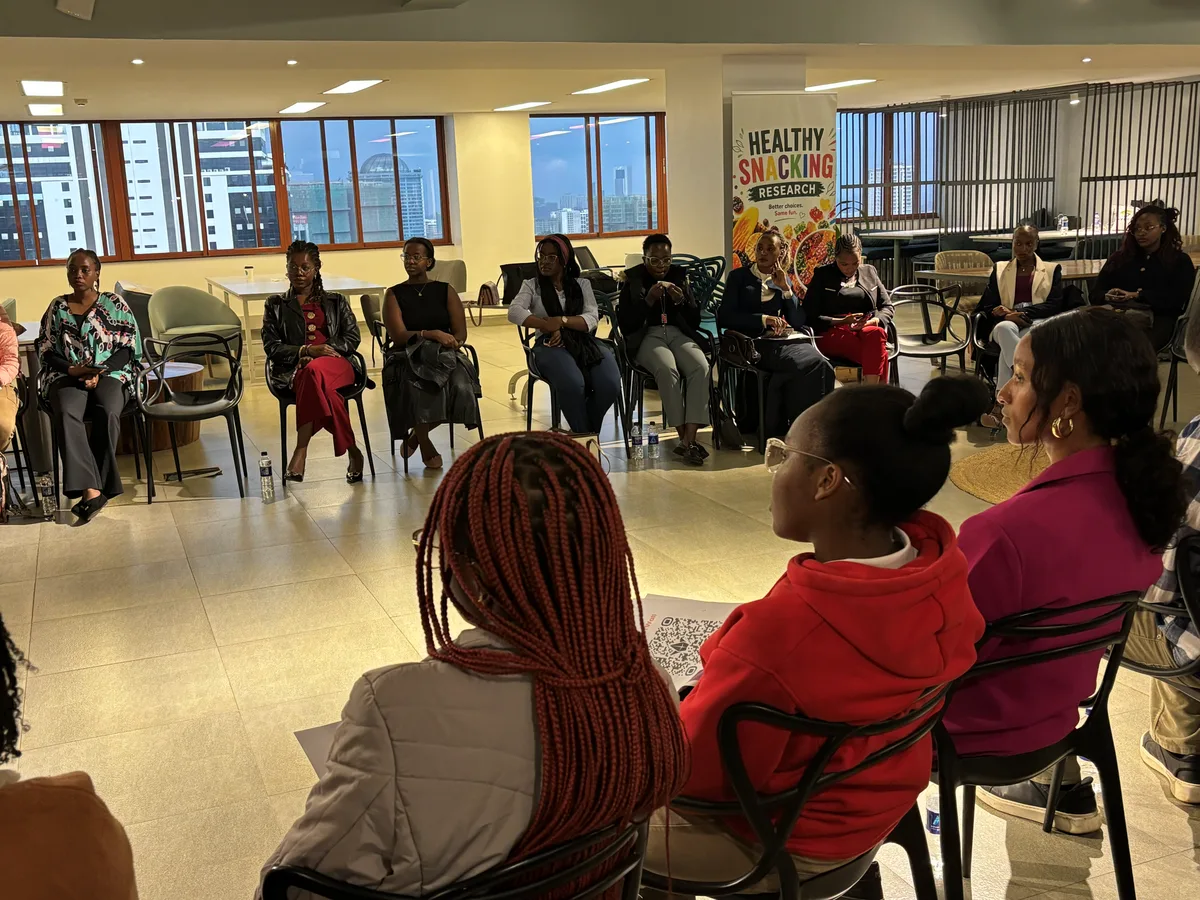
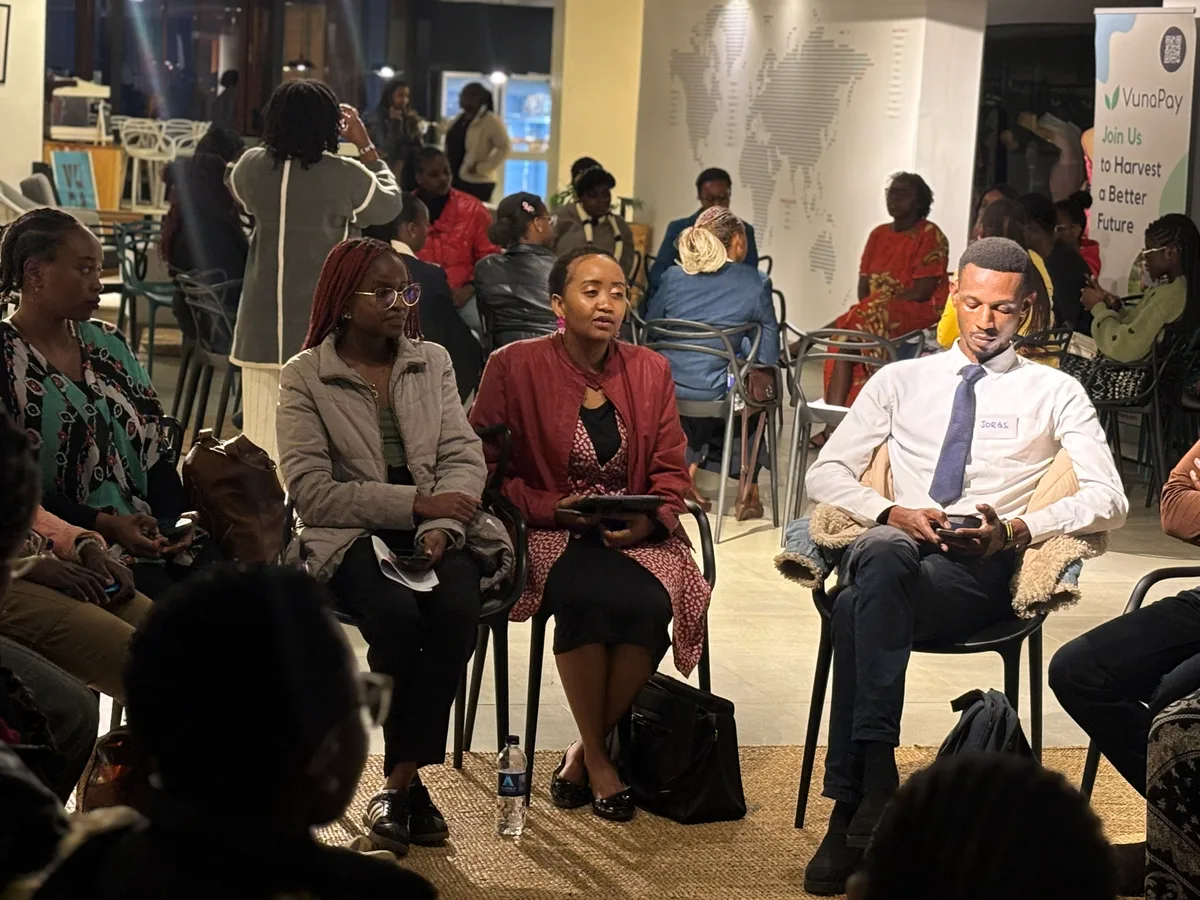
With the number of participants lower than initially anticipated, the planned five discussion circles were consolidated into two groups. This allowed the participants who attended to have more focused conversations with the speakers instead of spreading the group across several smaller discussions.
Starting with Stories
The evening began with registration and networking, giving participants an opportunity to meet and connect before the formal programme. This was followed by welcome remarks and an introduction to the theme, before Eng. Mary Ngugi delivered the keynote address and set the stage for the discussions that followed.
The conversations moved beyond individual careers to explore some of the broader questions that arise when working at the intersection of STEM and healthcare. These included women’s health, research commercialisation, understanding customer needs, regulatory pathways, business models and collaboration.
Engineering Better Healthcare
The first discussion, Engineering Better Healthcare, focused on engineering and the experiences that shape how individuals contribute to healthcare.
Eng. Sellah Aseso spoke about the importance of being passionate about one’s work and learning to work effectively with others. Her reflections emphasised resilience, teamwork and the importance of being someone who can find a way forward when faced with obstacles.
Eng. Elizabeth Mutio shared a different perspective through her own journey into engineering. Engineering was not initially her first choice, but her career developed in a different direction. She also spoke about a trip to Japan that influenced how she approached her work after returning to her hospital.
She used what she had learned from that experience to introduce changes within her department, including work focused on developing more sustainable and long-lasting equipment. She also presented examples of this work during the session, giving participants a practical illustration of how engineering knowledge and exposure to new ideas can translate into improvements within healthcare facilities.
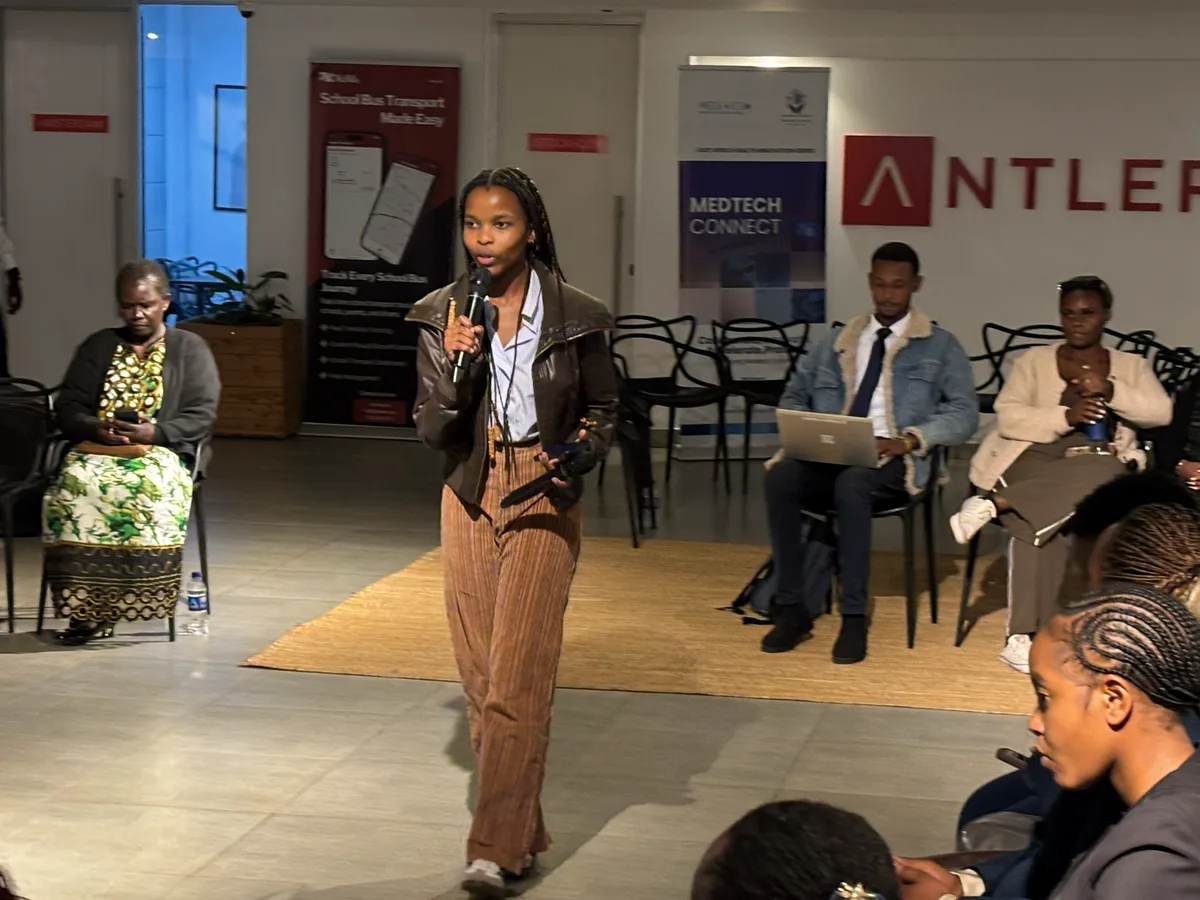
The conversation also made space for participants to share their own stories. Instead of focusing only on professional titles or accomplishments, participants spoke about the experiences that had influenced their careers and personal development.
These stories demonstrated that careers in STEM do not always follow a predictable path. Opportunities, challenges, changes in direction and exposure to new environments can all influence how people find their place within the sector.
From Research to Healthcare Innovation
The second discussion, Research, Entrepreneurship and Healthcare Innovation, explored another part of the journey: moving from research and technical expertise towards solutions that can reach the market.
Dr. Kadryn Kadasia, Founder and CEO of Misala, shared her journey from academic research and engineering into entrepreneurship. Her experience spans areas including drug delivery, vaccine technologies and biodegradable microdevices. She spoke about how her experiences in research eventually influenced her decision to return to Kenya and establish a company initially focused on vaginal wellness.
One of the key points from her experience was the role that existing research can play in creating new healthcare solutions. Rather than every company having to develop technology from the beginning, her approach includes exploring opportunities to license technologies developed by researchers who may not have the resources, interest or expertise to commercialise them themselves. This can provide another pathway for research to move beyond the laboratory and towards practical application.
The conversation also challenged the idea that women’s health should be treated as a niche area. Participants discussed the wider importance of women’s health and the different roles women play within households, healthcare systems and the workforce.
Understanding the Problem Before Building the Solution
Another important theme was the need for innovators to understand the problems they are trying to solve.
Participants discussed the difference between what users say they need and what they actually experience. Rather than relying only on surveys or asking people to describe their problems, innovators were encouraged to spend time observing users and building relationships with them. This can reveal needs that people may not always be able to articulate directly.
The discussion also highlighted an important reality of healthcare: the person who uses a product is not necessarily the person who pays for it.
For healthcare solutions to become sustainable, innovators need to understand the priorities of the organisations responsible for purchasing them, whether that is a hospital, insurer, government institution or another organisation. A solution therefore needs to respond not only to the needs of the end user, but also to the realities of the institution responsible for payment.
Regulation and Business Models Matter
The discussions also moved into the practical realities of taking healthcare innovations to market.
Eng. Mary Ngugi shared an example involving a maternal-care diagnostic device and the team’s decision to pursue regulatory approval in Rwanda. The choice was influenced by the efficiency of the country’s regulatory processes, clarity around documentation requirements and existing arrangements that could support recognition in other markets. The example demonstrated how regulatory strategy can influence the path a healthcare technology takes towards regional market access.
The conversation then turned to business models and the importance of designing them around customers’ actual ability to pay.
Jorgs of Ebikes Africa shared the company’s experience developing electric wheelchairs and bicycles in a market where customers may have to prioritise basic needs over innovative products. The company spent 21 months before making its first bike sale using a conventional sales approach. It later adapted its model by providing bikes to riders, connecting them with businesses and allowing them to repay the cost over time through microfinance.
The example highlighted that having a technically valuable product does not automatically make it commercially viable. Sometimes, the business model needs to evolve alongside the product.
Participants were also encouraged to view rejection and failure as part of entrepreneurship and to test ideas quickly to learn what works.
Creating Space for Collaboration
Beyond the conversations in the room, the event also included a digital Collaboration Wall.
The wall allowed participants to share research interests, collaboration opportunities, internship opportunities, mentorship requests and skills they could offer to others. It was intended to provide a space where connections made around the event could continue beyond the evening.
This complemented the networking that took place during the event itself and gave participants another way to identify areas where they could learn from or work with one another.
What We Took Away
Several themes emerged across the different conversations.
- Passion matters. The speakers reflected on the importance of being genuinely committed to the work they do and the role this can play in sustaining impact.
- Resilience is part of the journey. The stories shared demonstrated that careers can involve unexpected changes, obstacles and paths that were not part of the original plan.
- Collaboration strengthens impact. Working with others, sharing experiences and learning across disciplines were recurring themes throughout the discussions.
- There is no single path into STEM. The speakers’ experiences showed that careers can develop in different ways, shaped by opportunities, exposure, personal decisions and changing circumstances.
- Exposure can change how we work. Eng. Elizabeth’s experience in Japan provided an example of how encountering different approaches and environments can influence innovation back in one’s own workplace.
- Technical knowledge needs practical application. Whether through engineering, research or entrepreneurship, the discussions reinforced the importance of translating expertise into solutions that respond to real healthcare needs.
Beyond the Event
Although the event had a smaller turnout than initially expected, the format created an intimate environment where participants could engage directly with the speakers and with one another.
The event provided an opportunity to highlight women’s experiences across STEM, explore the different routes people take into healthcare and innovation, and share practical examples of engineering and entrepreneurship in the sector.
It also created opportunities for peer learning and networking, while encouraging participants to approach their careers with resilience, collaboration and a solutions-oriented mindset.
Women in STEM Transforming Healthcare was not just about celebrating women in STEM. It was about creating space for honest conversations about the journeys behind the work, the challenges involved in building healthcare solutions, and the different ways people can contribute to improving healthcare.