

Portfolio
A concise look at how MEDevice Africa supports healthcare technology through needs assessments, equipment systems, clinical validation, academic collaboration, and ecosystem building.
Five Mini Case Studies
Each summary is intentionally concise while showing how MEDevice Africa works across healthcare systems, product adoption, and ecosystem development.
Needs Assessment
Royal Academy Frontiers Project
Investigating healthcare technology needs across four Kenyan counties for better development.
Equipment Services
Refurbishing Baby Warmers at Pumwani
Restoring eight neonatal baby warmers at Pumwani Maternity Hospital that had been set aside for disposal.
Clinical Study Support
Fetal Monitoring Devices
Clinical and market studies evaluating fetal monitoring technologies for healthcare adoption across Africa.
Academia Collaboration
RFID Student Project
A student-led RFID tracking system reimagined for affordable, practical medical equipment tracking.
MedTech Connect
MedTech Connect
Convening partnerships and knowledge-sharing initiatives to strengthen Africa's MedTech ecosystem.
Innovative Approaches to Kenyan Healthcare Needs
Royal Academy of Engineering Frontiers Seed Funding
Project Overview
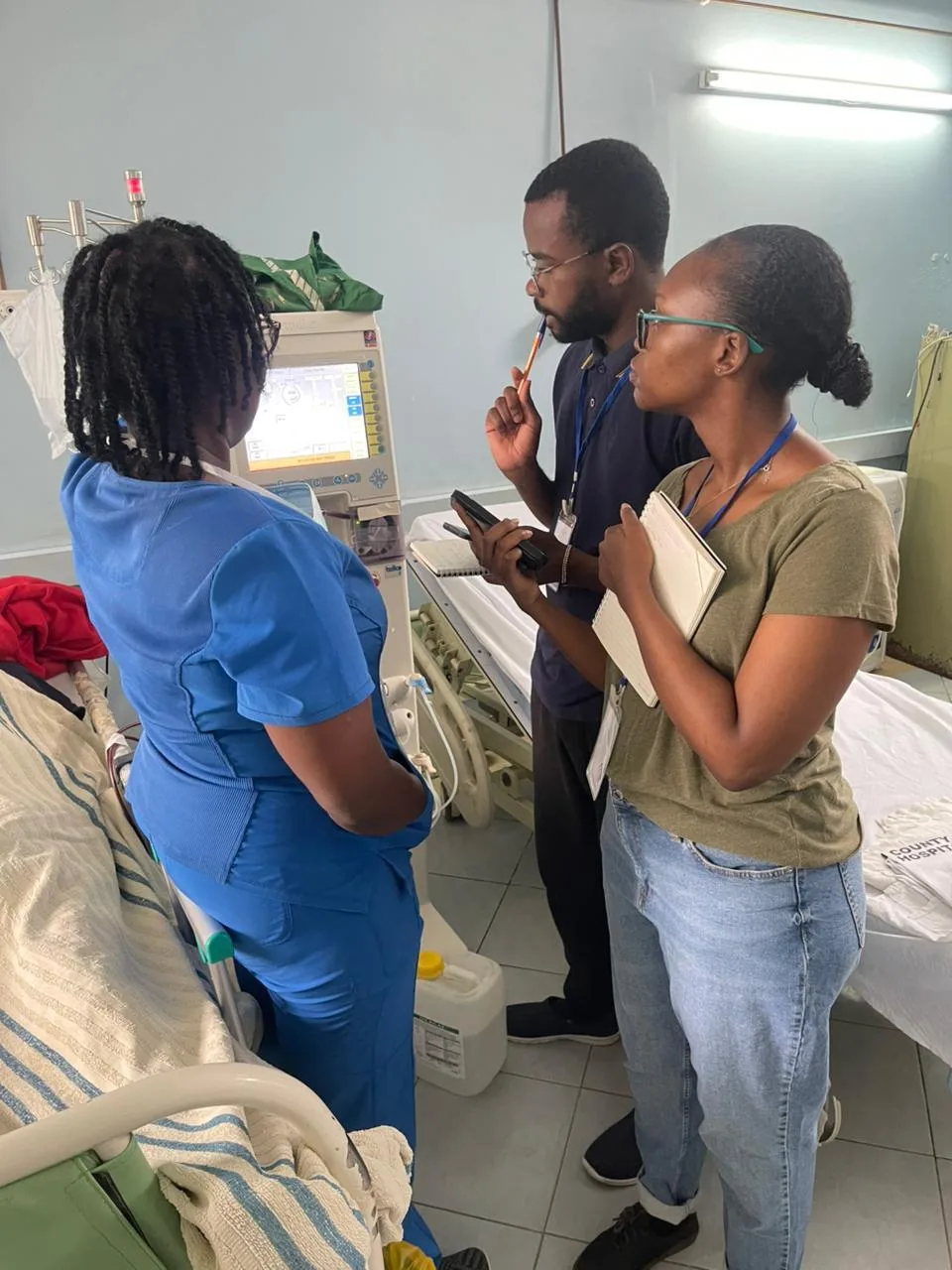
MEDevice Africa was selected as a recipient of the Royal Academy of Engineering Frontiers Seed Funding under the UK International Science Partnerships Fund (ISPF) to investigate healthcare technology needs across Nairobi, Kiambu, Makueni, and Kajiado counties.
Through healthcare facility assessments, equipment audits, stakeholder interviews, and multidisciplinary workshops, we examined the systemic factors affecting medical technology adoption; including procurement, maintenance, infrastructure, workforce capacity, and clinical priorities.
The study resulted in a validated healthcare needs assessment and prioritization framework, identified priority technology needs in renal care, operating theatres, and intensive care units, and produced clinical needs statements to guide future MedTech innovation. The findings continue to shape MEDevice Africa's approach to developing solutions grounded in real healthcare system needs.
Portfolio Case
Innovative Approaches to Kenyan Healthcare Needs
Refurbishing Baby Warmers at Pumwani Maternity Hospital
Project Overview
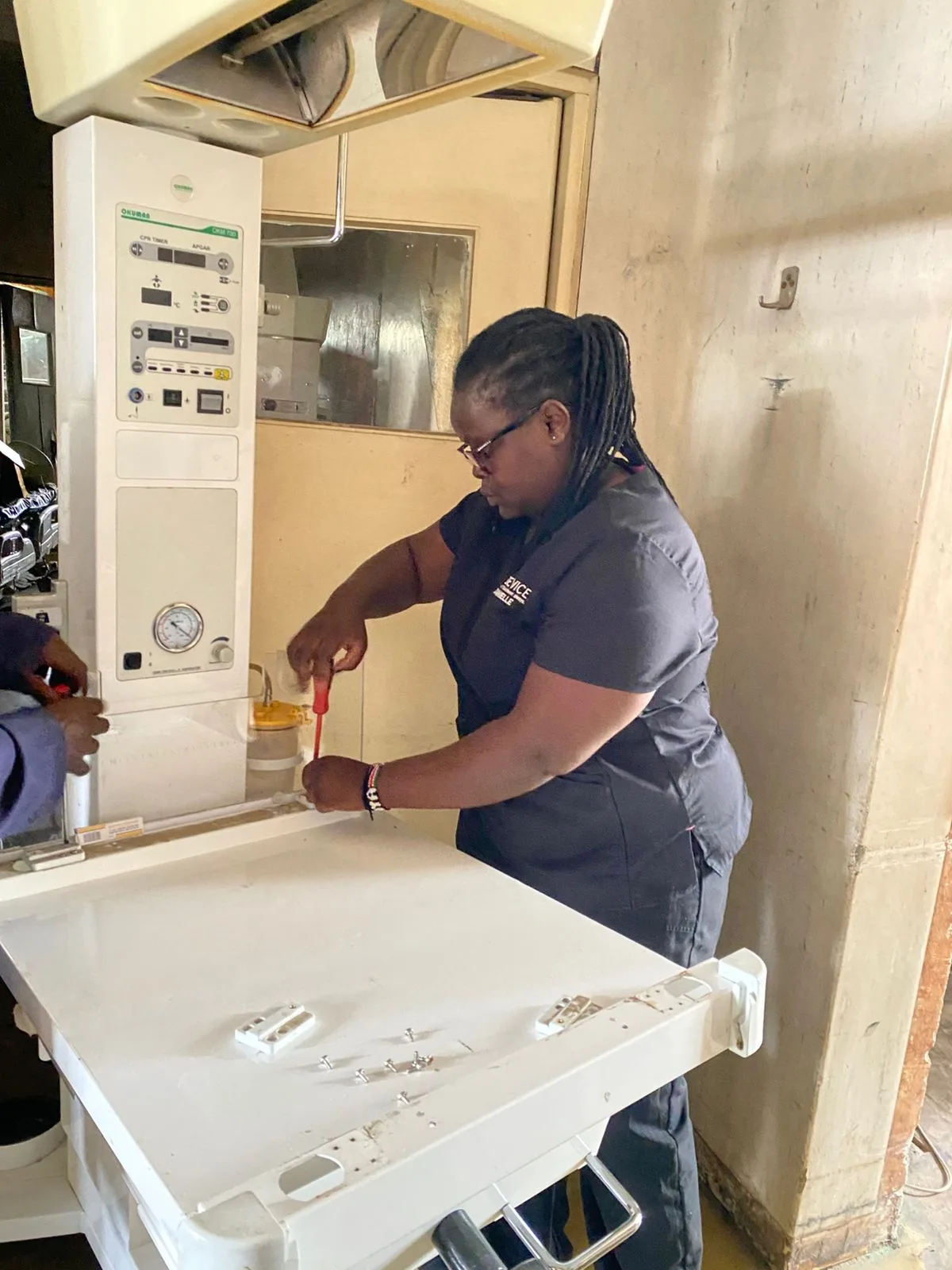
At Pumwani Maternity Hospital, eight neonatal baby warmers had been set aside for disposal despite being critical for newborn care.
Rather than replacing the equipment, MEDevice Africa assessed, repaired, and refurbished all eight baby warmers, returning them to clinical use. The work demonstrated the immediate value of restoring existing medical equipment while also revealing a larger systems challenge: equipment can remain out of service not because it is beyond repair, but because maintenance, service coordination, and equipment visibility are not adequately structured.
The refurbishment therefore became more than a technical intervention. It provided practical insight into the factors contributing to equipment downtime and helped inform the thinking behind EquipNet, particularly its focus on equipment visibility, maintenance tracking, and lifecycle management.
Portfolio Case
Refurbishing Baby Warmers at Pumwani Maternity Hospital
Fetal Monitoring Devices: Usability and Market Feasibility Study
Project Overview
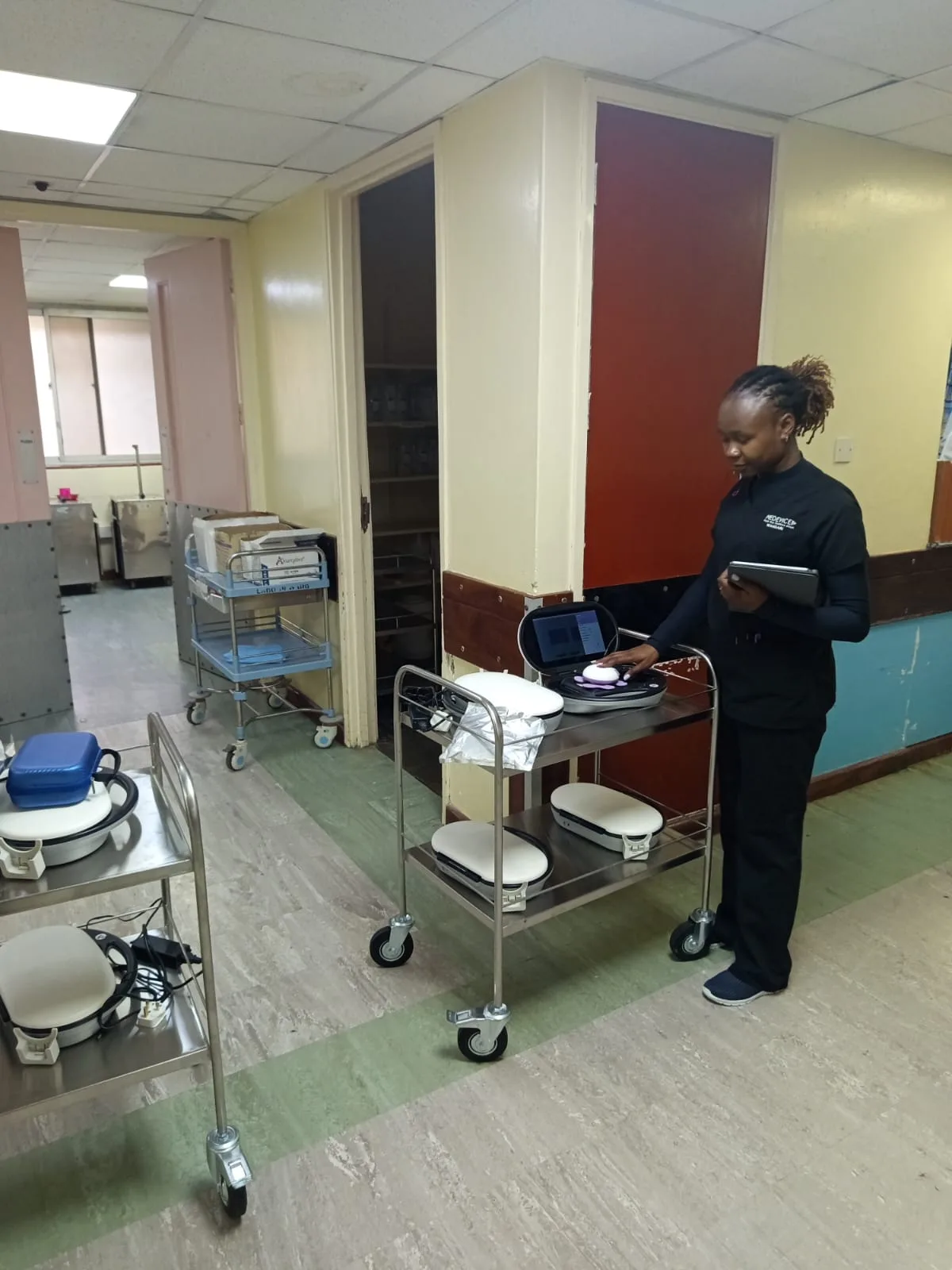
MEDevice Africa conducted a market feasibility study to assess the potential for a CE-certified, AI-enabled fetal monitoring device in East Africa. The study focused primarily on Kenya, with an extended market analysis covering Uganda, Tanzania, and the Democratic Republic of Congo (DRC).
The project examined the region's fetal monitoring landscape, including unmet clinical needs, existing technologies, market opportunity, pricing, competition, and potential pathways for market entry. The study focused on the opportunity for an affordable, portable, and user-friendly solution suited to healthcare facilities where fetal monitoring is often manual, limited, or constrained by the cost and accessibility of existing technologies.
Portfolio Case
Fetal Monitoring Devices: Usability and Market Feasibility Study
200 women have used the Fetal Lite device.
RFID Student Project
Project Overview
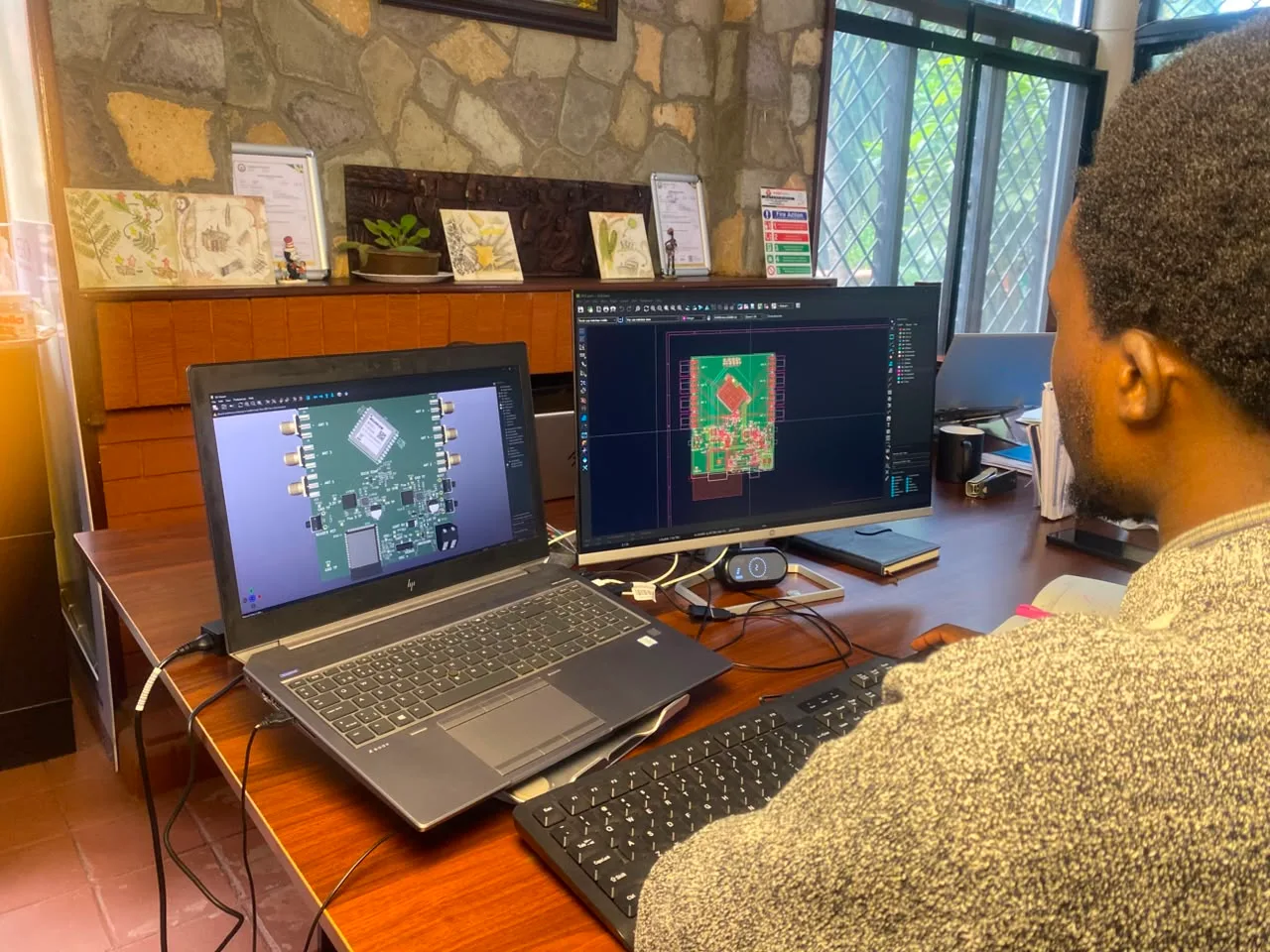
This Radio Frequency Identification (RFID) tracking system was initially developed as a final-year project led by Kariuki. J. Kiboi from Dedan Kimathi University of Technology (DeKUT), exploring a more affordable and practical approach to tracking medical equipment within healthcare facilities.
While RFID technology can automate equipment tracking, the cost and infrastructure requirements of conventional systems can make deployment difficult for many healthcare facilities. Traditional systems often require a dedicated reader and reliable Wi-Fi connectivity across multiple tracking zones, increasing both hardware and infrastructure costs.
MEDevice Africa explored how RFID could be redesigned around the realities of local healthcare environments, with a focus on reducing deployment costs, improving efficiency, and making the technology more practical to implement.
Portfolio Case
RFID Student Project
MedTech Connect
Project Overview
MEDevice Africa convenes conversations, partnerships, and knowledge-sharing initiatives designed to strengthen the MedTech ecosystem across Africa.
In 2025, we partnered with Invention Education (Kenyatta University) to convene engagements that brought together innovators, clinicians, academia, healthcare providers, and researchers.

Portfolio Case
MedTech Connect
Want to Build the Next Case Study With Us?
We partner with innovators, healthcare teams, and global medtech organizations working on practical solutions for African markets.